
Make Haste Slowly
Conversation Piece Part XI
Alicja Kwade, Paul Maheke, Enrique Ramírez, Prem Sahib, Henry Taylor
curated by Marcello Smarrelli
Press preview: Wednesday, 14 January 2026 | 12:00 pm
Opening: Wednesday, 14 January 2026 | 6:00–8:00 pm
Open to the public: 15 January–12 April 2026
From 15 January to 12 April 2026, Fondazione Memmo in Rome presents Make Haste Slowly, the eleventh edition of Conversation Piece, an annual exhibition cycle curated by Marcello Smarrelli, created with the aim of providing an overview of Italian and international artists who choose Rome as a place of residence and research.
A highly successful curatorial project, it has already involved over sixty of the most interesting artists on the contemporary scene.
The title of the exhibition, Make Haste Slowly, is inspired by the famous Latin phrase festīna lente, attributed by the Roman historian Suetonius to Emperor Augustus. The phrase combines in an oxymoron two antithetical concepts—speed and slowness—to indicate an action that is timely and decisive yet simultaneously cautious and thoughtful.
As usual, the artists of this eleventh edition were also asked to engage with a theme of universal resonance: the perception of time, intimately connected to the history of art, to the city of Rome and its millennial past.
Is there an internal time within works of art? How is it perceived, how is it measured, and what real and symbolic value does it assume in the creative process?
These are some of the reflections proposed to the invited artists: Alicja Kwade (1979, Katowice, Poland), winner of the 2025–26 Rome Prize at the German Academy Rome Villa Massimo; Paul Maheke (1985, Brive-la-Gaillarde, France) and Enrique Ramírez (1979, Santiago de Chile, Chile), both pensionnaires 2025–26 at the French Academy in Rome – Villa Medici; Prem Sahib (1982, London), BSR – British School at Rome Abbey Fellow 2025–26; Henry Taylor (1958, Ventura, California).
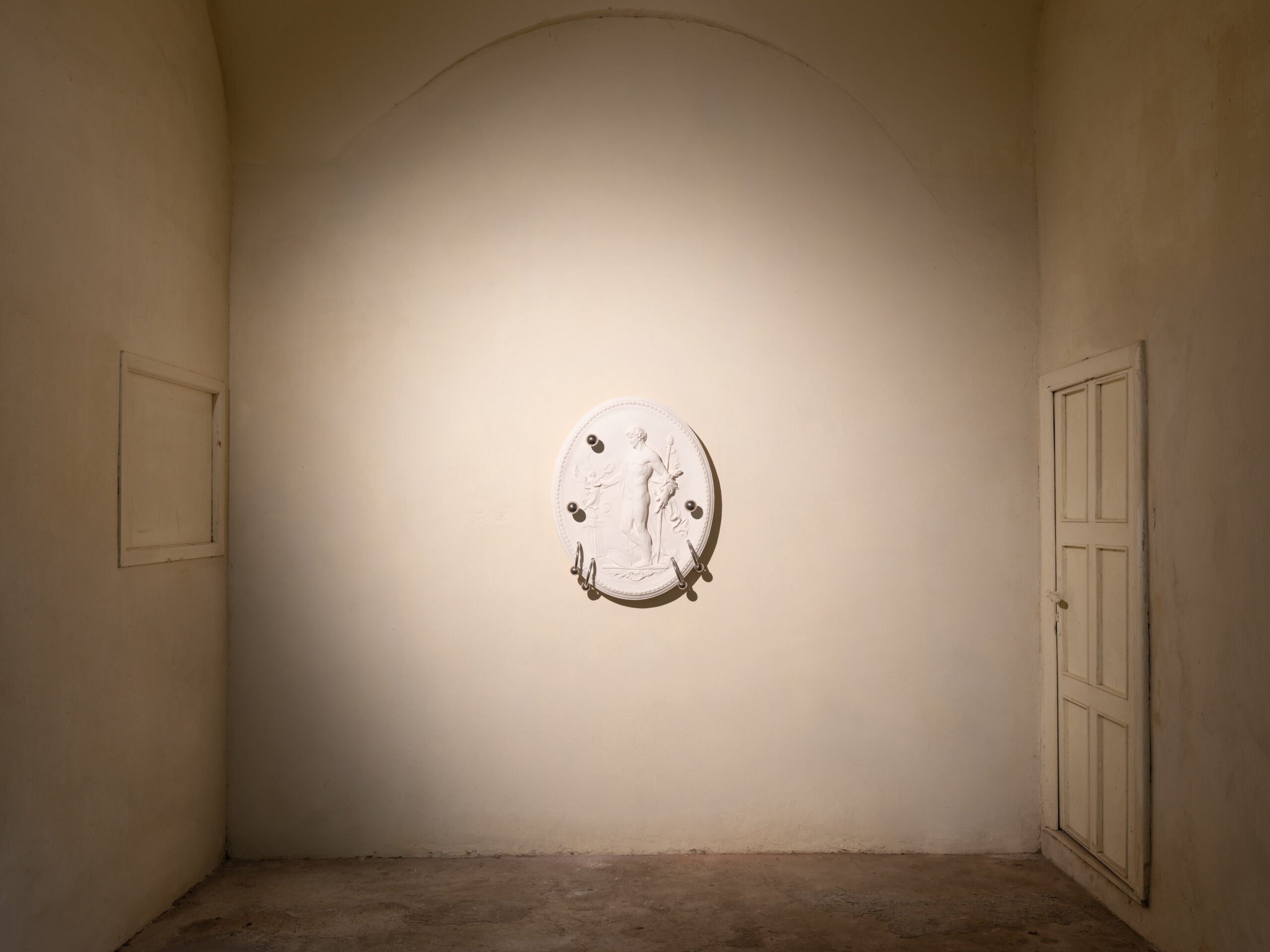
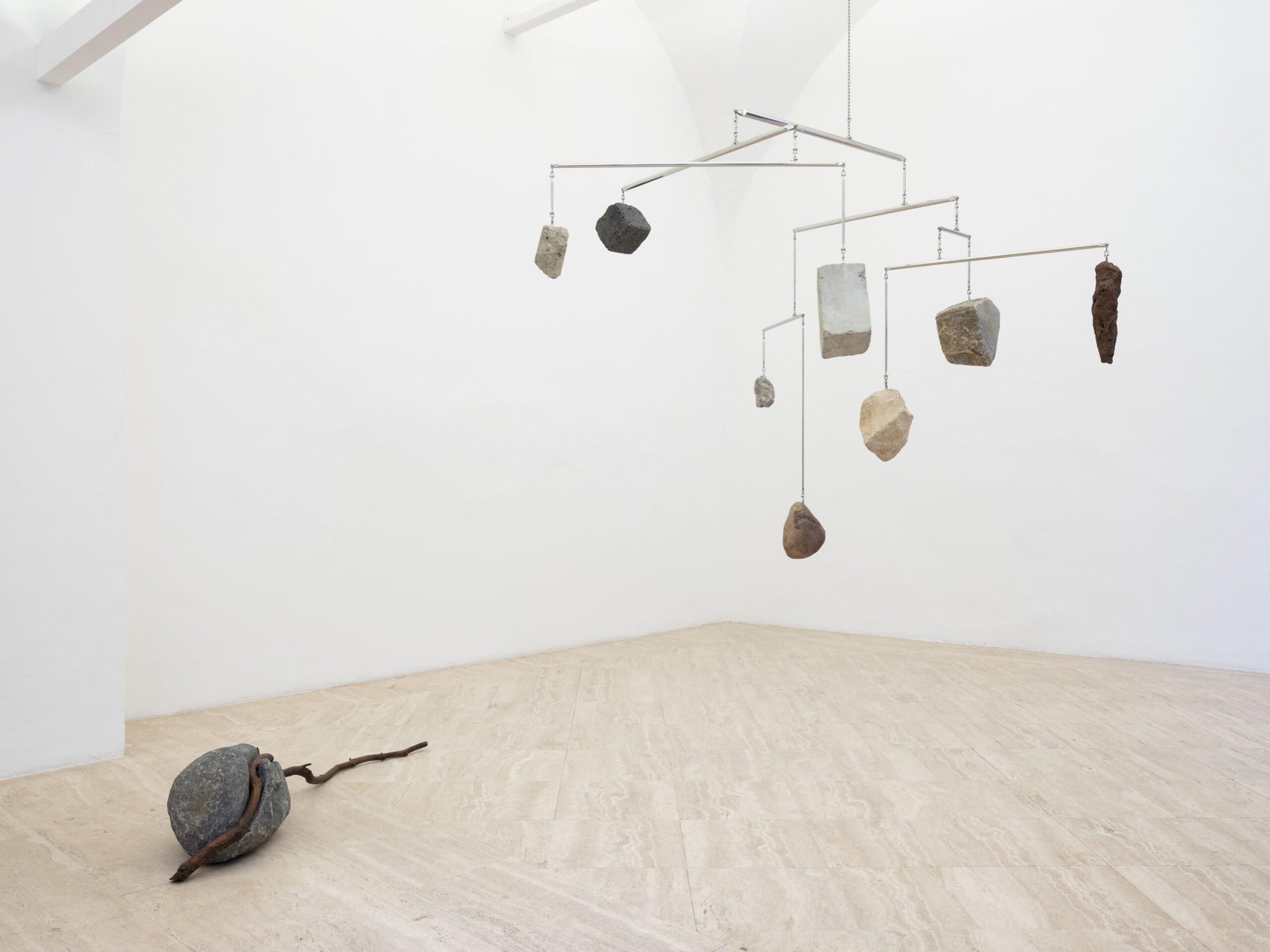
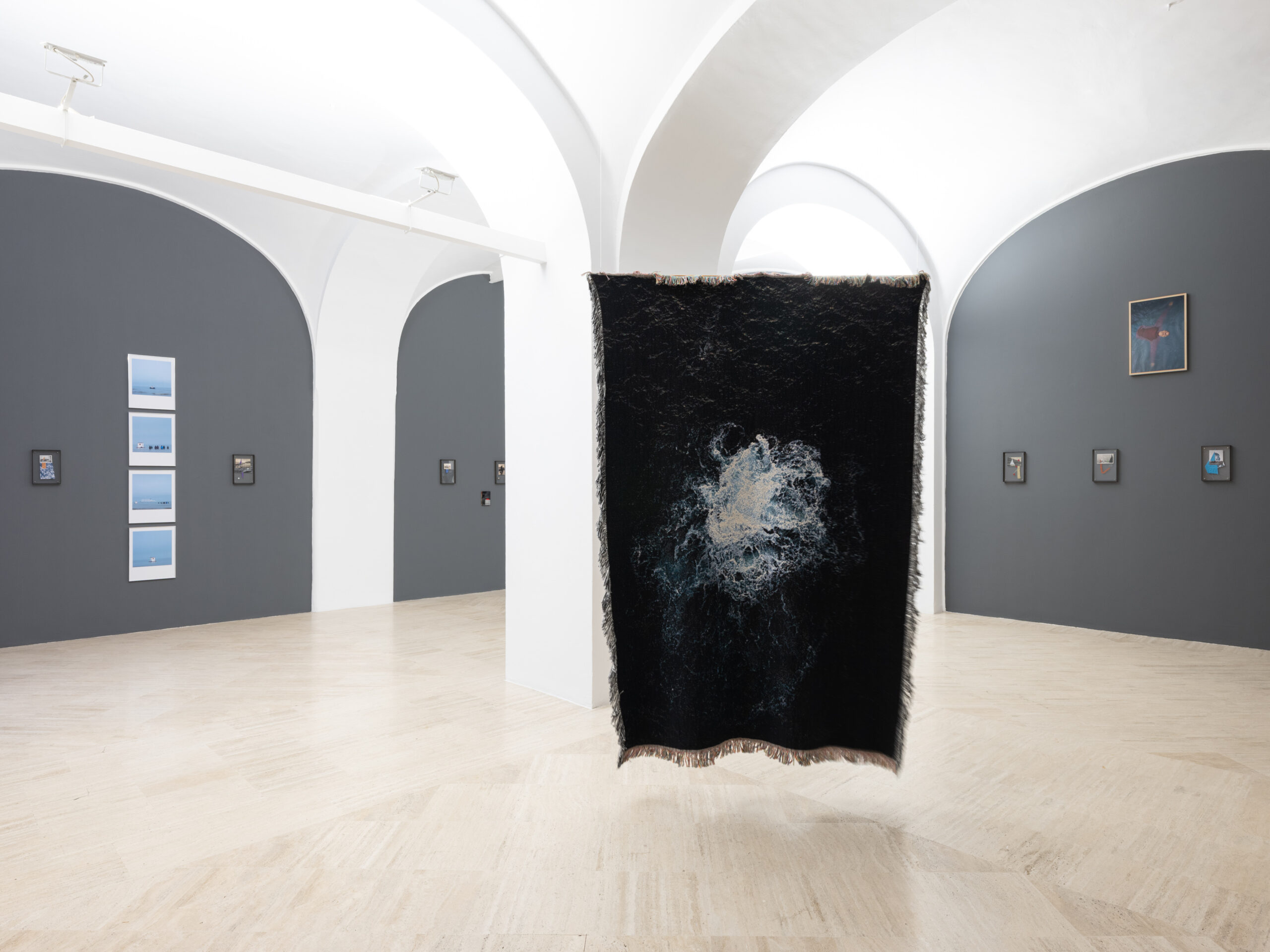
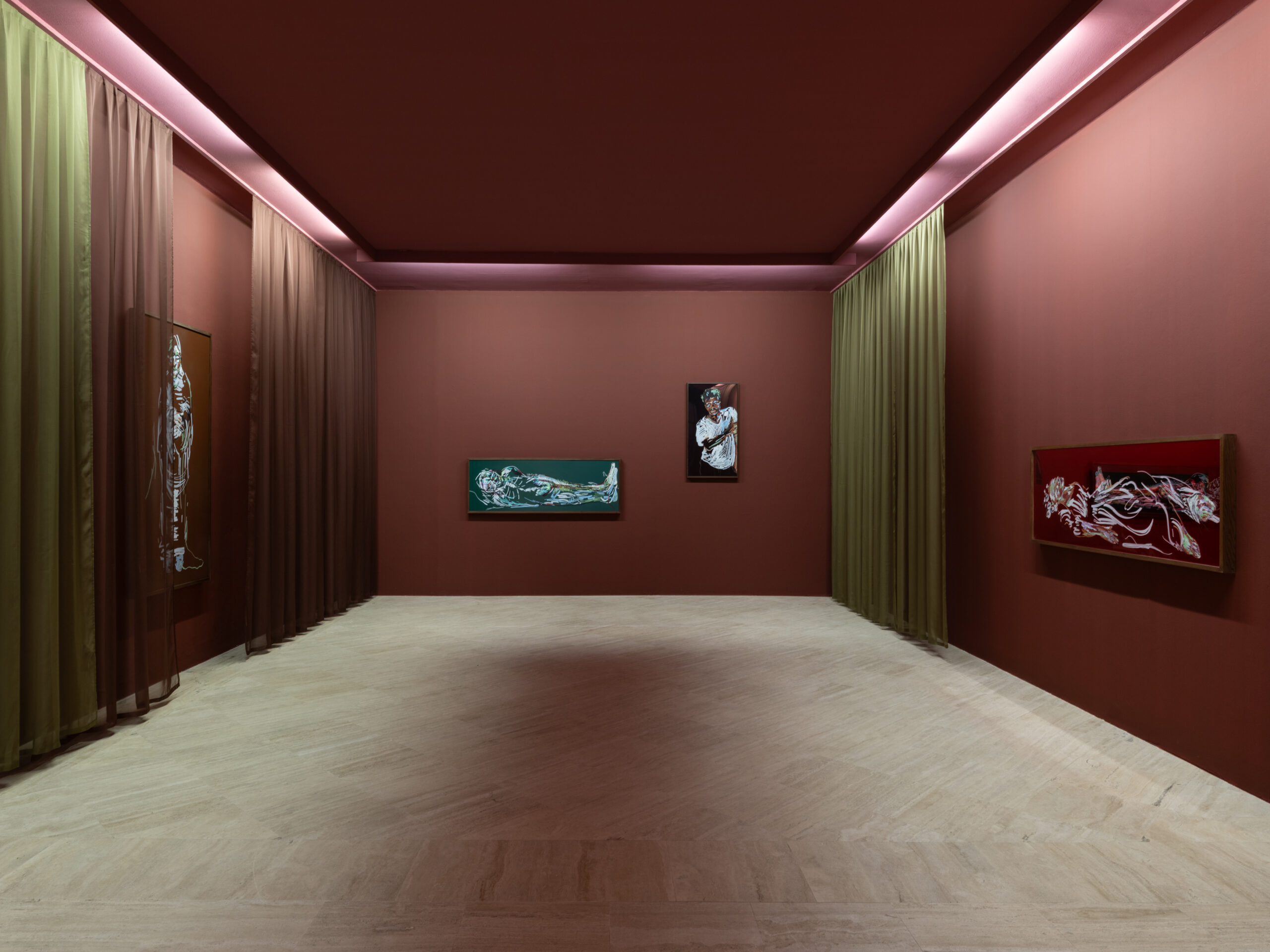
The exhibited works, created specifically for the spaces of Fondazione Memmo or presented for the first time in Rome, reflect on the time of art, recounting it through different modes and languages. The work of art thus becomes a peculiar timekeeper, whose functioning must be deciphered each time.